







The Ceva Wildlife Research Fund (CWRF), Ceva, the National Parks Board (NParks), and the Mandai Wildlife Group are strengthening Singapore’s preparedness against avian influenza.
M. hyopneumoniae is the etiological agent of swine enzootic pneumoniae (EP), a chronic respiratory disease that causes severe economic losses in the pig industry worldwide.


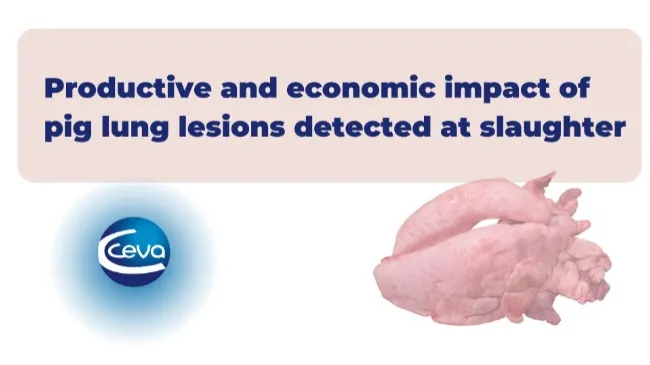
Detection of lung lesions in slaughtered pigs also allows estimation of economic losses.
Porcine respiratory disease complex (PRDC) significantly impacts the global pig industry, particularly during the growing and finishing phases.
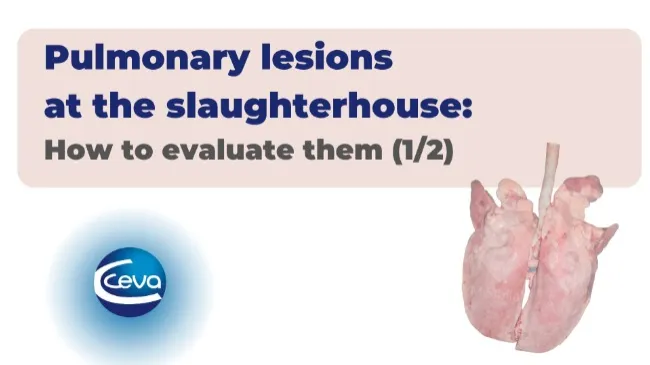
Collecting data at the slaughterhouse is a common method to obtain information on health and productive parameters, mainly from the last weeks of a pig’s life. PART 2/2
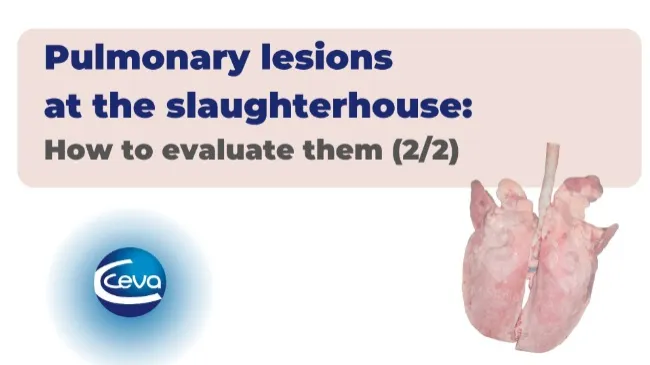
Collecting data at the slaughterhouse is a common method to obtain information on health and productive parameters, mainly from the last weeks of a pig’s life.
The best treatment is the early treatment. This is as relevant to porcine respiratory disease as to any other disease.
Diseases have an undoubted important economic impact for the pig industry worldwide, therefore their control is essential to increase the profitability of farms.
Porcine Respiratory Disease Complex (PRDC) develops as a clinical manifestation of respiratory pathogen coinfections in growing-to-finishing pigs.